

Introduction: What a Keystone Master Carry Actually Is
A Keystone Master Carry is a structured service where experienced Mythic+ players help you reach the required seasonal rating by completing high-level keys within the timer. Keystone Master itself requires a specific Mythic+ score, which comes from timing multiple dungeons at certain key levels.
For many players, reaching that score through random groups can take a long time. Group finder delays, inconsistent teammates, and repeated failed runs often slow progress. A carry changes that structure. Instead of building a group from scratch each time, you join a coordinated team that already understands route planning, pull pacing, and boss execution. The goal is clear: complete keys efficiently and secure rating gains with fewer setbacks. The process is usually organized in advance, including dungeon selection, key level, and participation type. Some players choose to take an active role in combat, while others focus mainly on survival. Understanding what a Keystone Master Carry includes helps set proper expectations before the run begins.
Step 1: Booking and Setup
The first stage of a Keystone Master Carry happens before entering the dungeon. Booking typically involves selecting the desired key level or full rating package, confirming your character and role, and scheduling the run. Clear communication at this stage prevents confusion later. You should know whether the service expects active participation or allows minimal involvement. Once the details are confirmed, preparation becomes important.
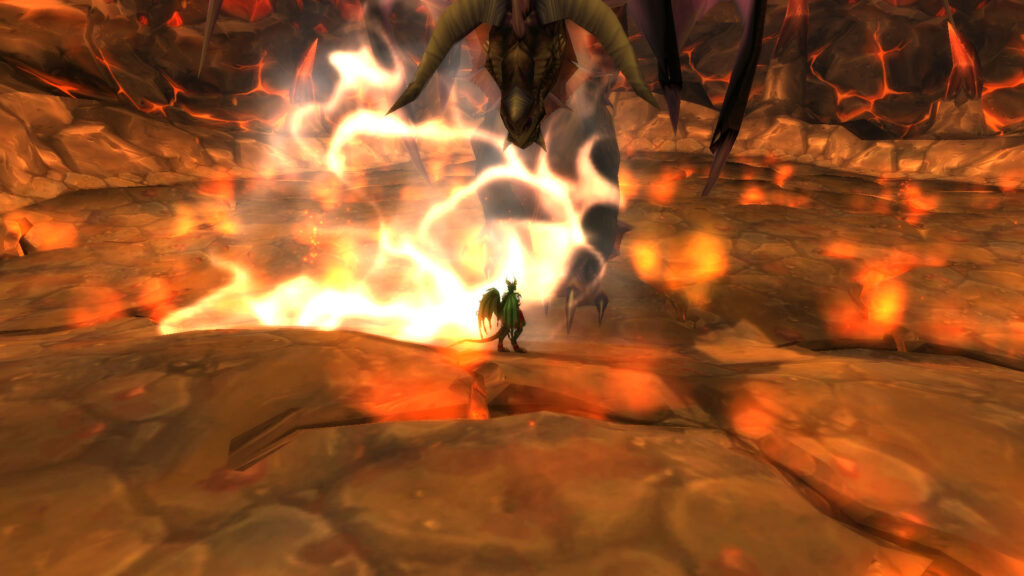
Make sure your gear is repaired and appropriate for Mythic+ content. Review your talents to ensure they support both area damage for trash and single-target damage for bosses. Prepare basic consumables such as flasks, food, and health potions. While the boosting team handles most strategic elements, your readiness keeps the run smooth. Clean user interface settings also help. Visible enemy cast bars and clear nameplates improve reaction time. Taking these simple steps before the dungeon begins allows the team to start immediately and maintain steady pacing without delays.
Group Roles During a Carry
Inside a Keystone Master Carry, each role has defined responsibilities that keep the run organized. The tank controls the route and sets the pace. This includes deciding pull size, positioning enemies correctly, and managing enemy count. The healer focuses on survival by timing major cooldowns during heavy damage moments and managing mana between pulls.
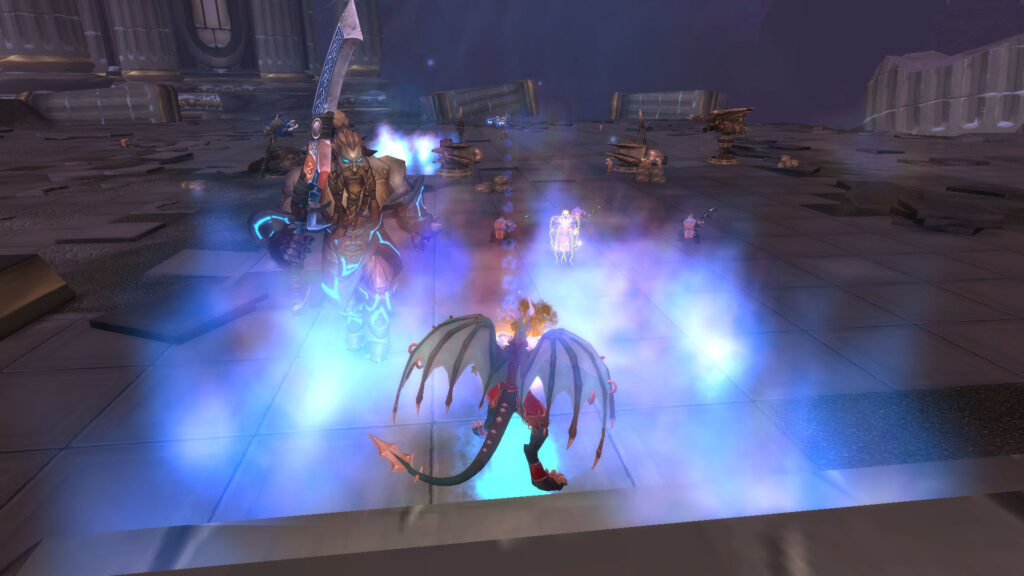
Damage dealers align burst abilities with planned large pulls and focus priority targets to remove dangerous enemies quickly. Your role depends on the service level selected. In active carries, you are expected to contribute damage, use defensive abilities properly, and follow mechanics carefully. In more relaxed carries, your main task may be to stay alive and avoid unnecessary mistakes. Regardless of involvement level, awareness matters. Standing in avoidable damage or pulling extra enemies can disrupt pacing. When each role performs its job correctly, the dungeon flows smoothly from start to finish, increasing the chance of securing rating gains through timed completion.
How Routes Are Planned in a Carry
Route planning is one of the biggest differences between a Keystone Master Carry and a random group run. In a carry, the route is usually prepared in advance. The team knows which packs to pull, which enemies to skip, and where large burst windows will happen. The goal is to reach 100% enemy count in the fastest and safest way possible. This often includes planned skips using stealth, invisibility, or positioning tricks to avoid slow or dangerous trash. Enemy count is tracked carefully so the group does not need extra pulls at the end of the dungeon. Pull size is also connected to cooldown cycles. Large pulls happen when major damage and healing abilities are ready. Smaller pulls are used while cooldowns recharge. If something unexpected happens, such as a death or accidental pull, the route can be adjusted quickly. Strong teams make small changes without panic. This structure keeps the timer under control and reduces wasted movement.
Route Control Overview
| Route Element | Why It Matters |
|---|---|
| Enemy Count Path | Ensures 100% without extra trash |
| Planned Skips | Avoids slow or high-risk packs |
| Large Pull Windows | Maximizes burst damage efficiency |
| Boss Order | Aligns cooldown cycles for smoother flow |
| Backup Plan | Adjusts quickly after mistakes |
Cooldown Coordination and Pull Timing
Cooldown coordination is a key reason carry runs often feel smooth. Before large pulls, the tank checks whether damage dealers have burst abilities ready. The healer confirms major group cooldowns and mana level. Once everything is aligned, the tank commits to a larger pack.
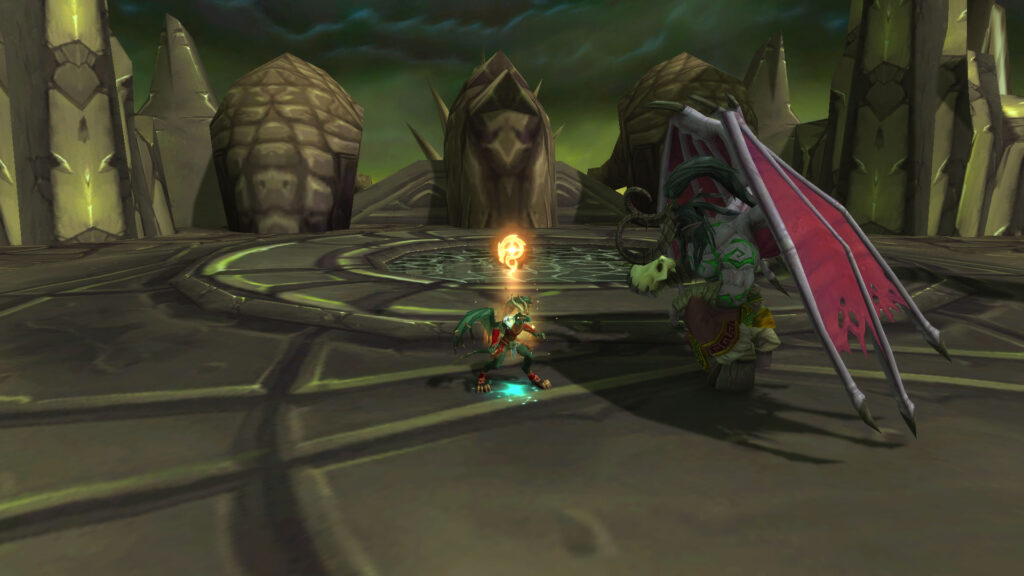
This creates a high-damage window where enemies fall quickly, saving time on the overall run. If cooldowns are unavailable, the team slows the pace slightly and performs safer pulls until major abilities return. This rhythm prevents reckless decisions. During bosses, cooldown planning becomes even more important. Damage is often saved for specific phases to shorten the fight. Defensive abilities are used before heavy hits rather than after health drops. Clear communication keeps everything organized. Even simple confirmations such as “burst ready” or “healer ready” improve execution. This level of coordination explains why carry runs often feel controlled instead of chaotic.
Cooldown Alignment Checklist
- Tank confirms pull size in advance
- Healer checks major cooldown availability
- DPS confirm burst timers
- Defensives used early during heavy damage
- Pace reduced when cooldowns are unavailable
How Rating Gains Work
Understanding rating gains helps explain why a Keystone Master Carry is structured around timed completions. Mythic+ score increases when you complete a dungeon within the timer. Higher key levels grant more rating points. Completing the same dungeon on both major weekly affixes also improves total score.
This means carries often focus on timing keys at levels that provide strong rating value without excessive risk. If a key is completed but not timed, rating gain is smaller. That is why organized pacing and low death count are important. Each dungeon contributes to the total seasonal score. Once the required threshold is reached, the Keystone Master achievement is unlocked. Many players choose carries to secure this score efficiently instead of pushing slowly through trial and error. Understanding how rating works makes the structure of the carry clear. Every pull, skip, and cooldown decision is made with the timer in mind because timing the key directly impacts your final rating gain.
Leave a Reply